Fiber internet has already transformed how households and businesses connect, offering ultra-fast speeds and reliable performance. But the technology is still evolving, with major providers investing in infrastructure and exploring next-generation upgrades. Looking ahead, fiber promises even faster connections, wider availability, and features that will reshape how we work, stream, and communicate.
Expansion Into More Markets
Fiber access has historically been limited to urban and suburban areas, but providers are expanding aggressively. Verizon Fios, AT&T Fiber, and Frontier have all committed billions in investments to bring fiber to more households, including rural regions. Federal funding programs are also accelerating rollout, aiming to close the digital divide by making high-speed internet more accessible nationwide.
Speeds Beyond Gigabit
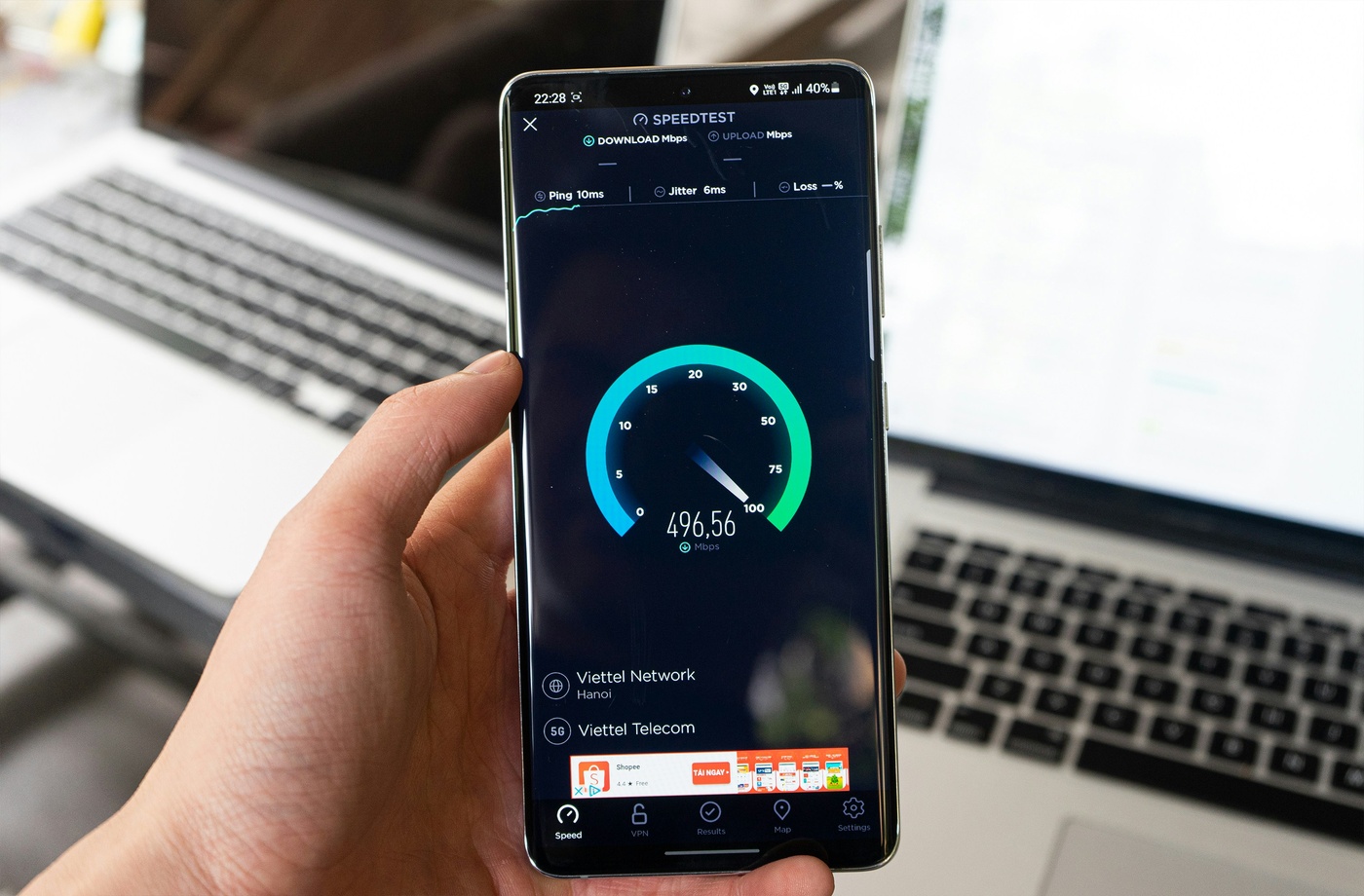
Today, many providers already offer gigabit plans, but the future points toward multi-gigabit speeds. Companies like Google Fiber and AT&T are testing 2–5 Gbps services, which will support advanced use cases like cloud gaming, 8K video streaming, and massive file transfers for businesses. These speeds will ensure households can connect dozens of devices without slowdowns.
Symmetrical Upload and Download Speeds
One of fiber’s greatest advantages over cable is symmetrical speeds. With upload speeds becoming just as important as downloads for remote work, content creation, and video conferencing, symmetrical connections will soon be the standard rather than a premium feature.
Improved Reliability and Low Latency
Fiber inherently offers lower latency compared to cable or satellite. This is crucial for applications like real-time collaboration, telemedicine, and online gaming. Providers are continuing to refine infrastructure to make connections more stable, even as usage grows.
Integration With Smart Homes and IoT
As households add more smart devices, fiber’s capacity will be essential to maintain performance. Multi-gigabit plans will make it easier to run security systems, appliances, streaming devices, and AI-powered tools simultaneously without disruption.
Final Thoughts
The future of fiber internet is about more than speed—it’s about creating a stable foundation for the connected lifestyles of tomorrow. As providers continue to expand coverage and push beyond gigabit speeds, fiber will become the gold standard for households and businesses alike.