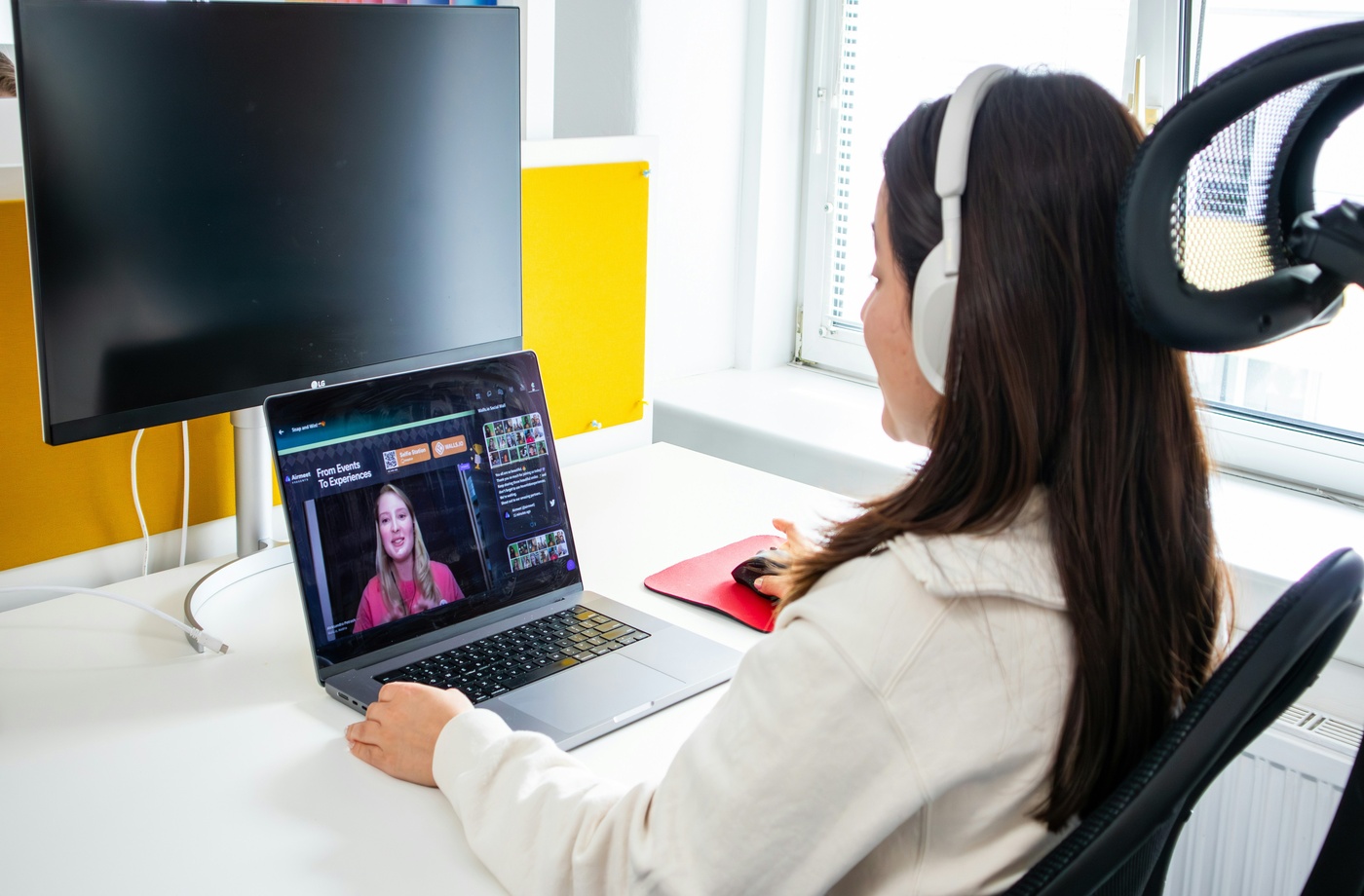
Remote work has become the norm for millions, and a reliable internet connection is now as essential as a good laptop. For remote professionals, the right plan means fewer dropped calls, faster file sharing, and stress-free video meetings. Choosing the right internet service is about balancing speed, reliability, and affordability—while finding creative ways to lower costs.
Speed Requirements for Remote Work
For smooth video calls and file sharing, a minimum of 50–100 Mbps is recommended. If you regularly transfer large files, stream in high definition during work, or host webinars, you may want to consider 300 Mbps or higher. Fiber internet from providers like AT&T Fiber and Verizon Fios offers symmetrical upload and download speeds, which are critical for remote collaboration.
Top Providers for Remote Work
- Verizon Fios: Excellent reliability, low latency, and consistent speeds make it a top choice for professionals.
- AT&T Fiber: Expanding coverage with strong performance, ideal for video conferencing and multitasking.
- Xfinity: Wide availability with multiple speed tiers, though data caps may apply in some areas.
- Spectrum: Reliable service with no data caps, great for households with multiple remote workers.
Equipment and Setup Tips
Router placement is critical. Position your router centrally, away from walls or appliances that interfere with signal. For larger homes, consider mesh Wi-Fi systems like those from Netgear or TP-Link to eliminate dead zones.
Saving on Internet Bills While Working from Home
Remote workers often pay higher bills because they need faster, more stable service. That doesn’t mean you can’t save. Cashback apps make it easier to reduce costs on recurring payments. For instance, you can earn cashback with a Verizon gift card, get rewards with an AT&T gift card, or earn cashback with a T-Mobile gift card. If your ISP isn’t listed, you can still use Fluz and pay through its virtual card for instant cashback via Apple Pay or Google Pay. Pairing this with rewards programs like Rakuten and Ibotta ensures you’re stacking multiple savings opportunities.
Final Thoughts
The best internet for remote workers combines speed, stability, and affordability. By choosing a reliable provider, optimizing your equipment setup, and leveraging cashback and rewards apps, you can work more efficiently while keeping your monthly costs in check.